Identify differences: heat & dehydration - signs & advice
Ahmed Raza
 Written by Lorraine Anne Liu, RN, a registered nurse and cum laude graduate with experience in OR, ICU, delivery room, and OPD. She specializes in pediatric care and primary health care nursing and is certified in BLS, IV therapy, and cardiac assessment.
 Reviewed by Jessica Munoz DNP, RN, CEN
Changes: Updated heat illness prevention and treatment guidelines
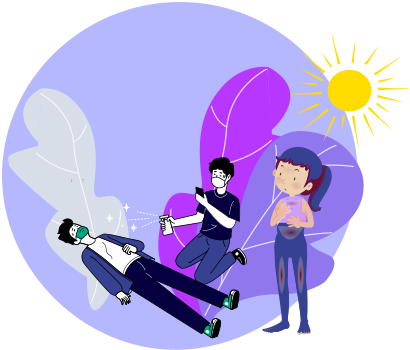
Heat stroke, heat exhaustion, and dehydration commonly occur to those who spend time in the heat and may not drink enough fluids. However, it is important to know that these three are very much different in symptoms and treatment. It is critical to know which is which to know the proper and timely management of victims. While heat stroke and exhaustion are commonly heat-related, dehydration can also occur in combination with fever, diarrhea, or vomiting.
Symptom identification
Though these three exhibit some similar symptoms, they have key differences that can be noticed right away. A proper diagnosis leads to correct management. If you are the only person near the victim or the victim, you may be the only difference between safety and endangerment.
| Dehydration | Heat exhaustion | Heat stroke |
|---|---|---|
| Thirst | Nausea or vomiting | Nausea |
| Dry mouth and mucous membranes | Headache | Headache |
| Light-headedness | Weakness | Disorientation, agitation, or confusion, hallucinations |
| Fatigue | Muscle cramps | Fatigue |
| Dizziness | Dizziness | Dizziness |
| Confusion | Loss of consciousness | Loss of consciousness/Seizures |
| Decreased urination | Heavy sweating | High body temperature (>103 °F or higher) |
| Dry skin | Cold, pale, and clammy skin | Hot, red, dry, or damp |
| Increased pulse and breathing | Fast, weak pulse | Fast, strong pulse |
Proper management
If identified correctly, the correct steps can be taken to treat these conditions. For any case, always call 911 or seek emergency medical help right away if possible. Sometimes, dehydration may be caused by a more serious underlying condition requiring immediate medical attention.
| Dehydration | Heat exhaustion | Heat stroke |
|---|---|---|
| Rehydration by drinking fluids or electrolyte drinks | Move the victim to a cooler place | Move the victim to a cooler place |
| For more severe cases, IV fluids may be needed | Sip water | Do not let the victim drink anything |
| Lower the victim’s temperature | Lower the victim’s temperature | |
| Call 911 right away |
Lowering the victim’s temperature can be done by having them lie in a shaded area and elevate their feet, applying cool water to the skin and fanning them, or applying ice packs to the groin and armpits. Use whatever resources that you have to help them cool down.
Prevention
Prevent heat exhaustion, heat stroke, and dehydration by taking good care of yourself and your loved ones.
- Drink enough fluids when you’re out in the sun. You will need more fluids to stay hydrated when it is hot out than you typically would.
- Schedule any physical activity during cooler periods of the day.
- Wear a hat, sunglasses, and umbrella
- Use sunscreen.
- Never leave children or pets in hot cars, even for a minute.
References
Did you get it?
Stay on track!
Would you like a reminder when your ACLS certification expires, plus study tips?
How we reviewed this article
Our experts continually monitor the medical science space, and we update our articles when new information becomes available.
- Current versionMail the author of this pageEmail
- Jul 18, 2023
Reviewed by:
- Apr 10, 2023
Copy edited by:
Copy editorsChanges: Updated heat illness prevention and treatment guidelines- Dec 7, 2020
Written by:
Lorraine Anne Liu, RNa registered nurse and cum laude graduate with experience in OR, ICU, delivery room, and OPD. She specializes in pediatric care and primary health care nursing and is certified in BLS, IV therapy, and cardiac assessment.